
What are the biggest challenges facing Australian small businesses in 2026?
Gunnink Advisory Team
March 24, 2026 • 3 min read
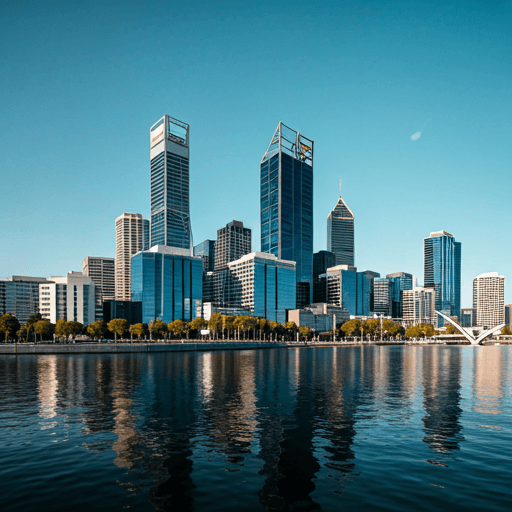
Australian small businesses in 2026 are navigating some of the most challenging operating conditions seen in the post-pandemic era. The landscape is defined by a compounding series of macroeconomic, geopolitical, and regulatory headwinds that are severely testing working capital and operational resilience.
1. Surging Interest Rates and Inflationary Pressures
The Reserve Bank of Australia (RBA) increased the official cash rate to 4.10% in March 2026, driven by a material acceleration in inflation and surging global energy costs. Markets anticipate a further increase to 4.35% by May 2026. For small businesses, this sustained monetary tightening has two profound impacts: it causes a severe tightening of working capital by increasing aggregate debt-servicing costs for commercial loans and asset finance, and it dampens consumer demand as household budgets are squeezed. This has heavily bifurcated the economy, subjecting discretionary sectors like retail, hospitality, and personal services to a punishing margin squeeze, while essential B2B services remain resilient.
2. Geopolitical Shocks and a Severe Domestic Fuel Crisis
The acute escalation of conflict in the Middle East has constrained global oil and gas supplies, exposing Australia’s reliance on imported refined fuel. This has manifested as a catastrophic fuel crisis, particularly in Western Australia, where systemic fuel shortages and rationing occurred in March 2026. With diesel prices forecast to breach the $3.00 per litre mark, fuel-reliant industries face massive input cost increases. This has caused rapid ripple effects: SME freight operators are struggling with immediate margin compression on fixed-price contracts, farmers face surging costs for food production and winter seeding, and regional tourism events have been forced to cancel. Consequently, rising energy costs have eclipsed traditional concerns as the primary operational fear for SMEs.
3. A Record Wave of Corporate Insolvencies
Despite aggregate top-line growth in some areas, there is a severe undercurrent of financial distress. March 2026 witnessed 1,131 corporate insolvencies—the highest volume of business failures in a single month since 1999. The primary catalyst for these collapses is inadequate cash flow. Unlike the 2020-2022 pandemic period, where government stimulus masked operational inefficiencies, the 2026 trading environment is profoundly less forgiving. The construction sector accounts for 28% of these insolvencies, followed by the accommodation and food sectors at 15%.
4. The July 2026 Regulatory and Compliance “Cliff”
SMEs are facing a permanent, systemic shift in compliance burdens scheduled for July 1, 2026, which will heavily impact cash flow.
- Payday Superannuation: Employers will be mandated to pay superannuation guarantee contributions at the exact same time as wages, effectively destroying a deferred liability that thousands of SMEs traditionally used as an unofficial working capital buffer.
- ATO Clearing House Closure: The permanent closure of the ATO Small Business Superannuation Clearing House will force micro-businesses to transition to commercial alternatives, inevitably increasing administrative burdens and software subscription costs.
- Enhanced Compliance: Businesses are also navigating strict new food labelling requirements, new environmental compliance standards, and a severe crackdown by the Australian Securities and Investments Commission (ASIC) on financial reporting non-compliance.
5. Industrial Frictions and Unrelenting Wage Pressures
In industrial hubs like Western Australia, aggressive union action—such as campaigns by the Electrical Trades Union (ETU) targeting major iron ore producers—is creating severe operational friction. For the thousands of small businesses operating as tier-two and tier-three contractors to these mining giants, these disruptions present a severe threat to their pipeline of work and cash flow predictability. Across the broader national economy, business leaders cite unrelenting wage pressure and increased input costs as the dominant inhibitors currently crushing their operations.
Ultimately, the return of entrenched inflation, soaring energy prices, and looming regulatory changes have irreversibly eroded margins, forcing Australian SMEs in 2026 to either innovate aggressively, consolidate, or face exiting the market entirely.
Authors footnote: This article was independently researched and written. It was then reviewed and lightly edited with the help of AI
Ready to start your next chapter?
Join over 500 business owners in Perth who have successfully navigated their business sale with Gunnink & Co.